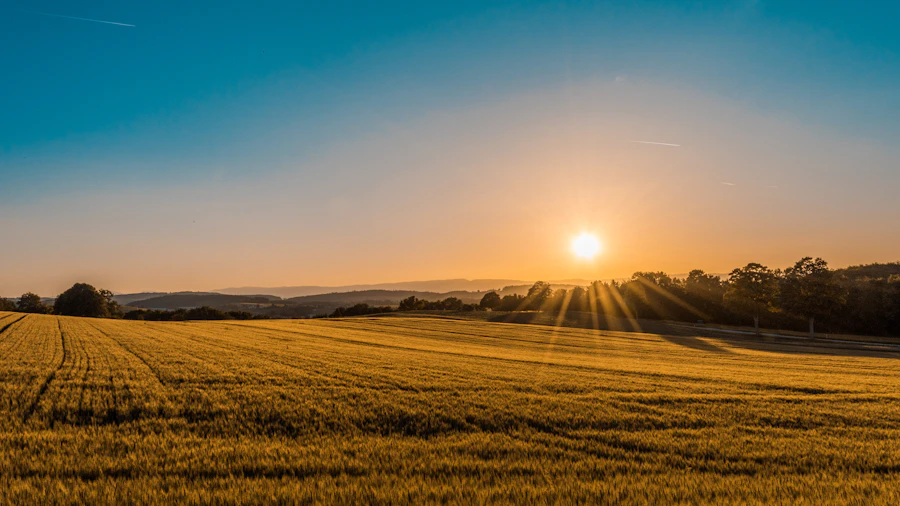
Help test grain, weigh trucks and keep harvest receival sites moving. Seasonal intakes train beginners for sampling, weighbridge and general handling roles; the work is busiest around the local grain harvest.
You want a seasonal team role involving grain sampling, records or general handling, with some intakes training beginners.
The trade-offs
Dust, trucks and machinery shape the workplace. Weather and deliveries can change the season and the number of shifts available.
What does the work involve?
Receival sites test incoming grain, weigh trucks and direct unloading. Entry roles can include sampling, checking records and cleaning around grain-handling areas under site procedures.
You work near trucks, conveyors and dust rather than picking crops. Be ready to follow radio instructions and traffic segregation, report blockages and leave machinery interventions to authorised staff.
When should I plan to work?
Match your travel to the intake and training dates for the region. Harvest starts and shift availability move with weather and deliveries; a national harvest season is not a promise of a fixed number of weeks at one site.
Does grain handling count towards visa days?
Grain storage and handling do not automatically qualify as specified work. Check the actual duties and location against the specified-work rules.
Seasonal intakes train new workers. Sampling needs accurate measurements and records; weighbridge work combines computer use with truck movements. General handlers work around dust, machinery and bulk grain.
Getting to the site
Many sites are outside towns. A vehicle expands the sites you can accept, and worker accommodation is limited to particular locations.
How long should I stay?
Plan around the local harvest rather than a fixed national season. CBH describes October–December as typical, with weather changing both the start and available shifts.
Training for this role
Learn the work on site
Seasonal induction teaches the site’s receival process, grain handling, traffic rules and equipment safety. Sampling, weighbridge and machinery assignments have different procedures; training follows the assigned work.
CBH: paid harvest training
CBH trains seasonal recruits for their assigned role and pays for training completed satisfactorily. Sampling and weighbridge applicants do not need to buy a general farm-work course first.
Direct employer and specialist recruitment routes. Current vacancies and general expressions of interest are identified in the descriptions.
WA Wheatbelt
CBH Group
WA harvest recruitment. The employer FAQ lists a starting rate of $34/hour, with pay depending on role and experience, and paid training on satisfactory completion. Some sites offer free basic accommodation; terminals do not. Workers arrange their own journey to the allocated site. October–December is the typical season; shifts and start dates depend on harvest conditions.
Use the employer portal and Harvest section for seasonal intake notices. Check the specific site and job, training dates and any accommodation arrangement.
Seasonal grain handling, weighbridge and sampling recruitment welcomes working holiday makers and provides training. Use the harvest intake page; the displayed future-season registration is an expression of interest.
Put your start date, available months, current location and work rights near the top of your CV. Add relevant hands-on tasks, any licences and whether you need accommodation; this lets the recruiter match you to a workable placement.
Choose the harvest region and complete the seasonal intake form. Sampling, weighbridge and grain-handling preferences help the team allocate training and sites.
CBH says rates vary by role and experience. Harvest can involve long shifts, but weather controls grain arrivals and hours. Some receival sites have free basic accommodation; terminals are excluded from that offer.
With your permission, Working Backpackers uses Google Analytics to measure visits, page views, general device information and referral sources. Google processes this information and uses analytics cookies to recognise returning browsers. Cookies last up to six months. We do not send your name, email, saved trips, budget entries, search text or account identifiers to Analytics, and advertising features are disabled.
You can decline or withdraw permission here. Your choice is stored on this browser for six months. Essential storage for sign-in and your saved plans is separate. How Google uses this information · Google Privacy Policy